The Warm Cabin Myth: Diesel Heating That Actually Works on a British Boat
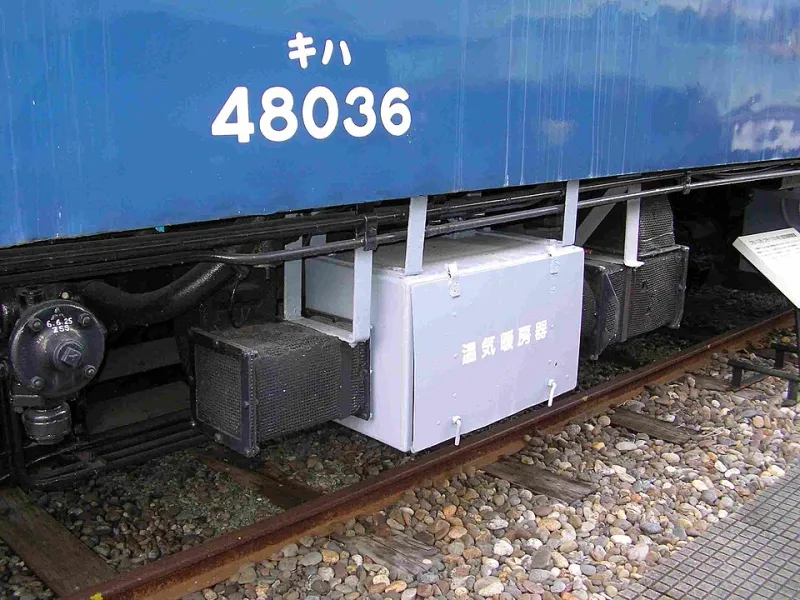
Photo: NEXT-EXIT, CC BY-SA 3.0, via Wikimedia Commons
November has a way of finding every gap in a boat. It creeps past the washboards, settles on the inside of the windows and turns a sleeping bag into a damp compromise. A diesel cabin heater is the usual answer, and on a grim morning it can feel like the best money you ever spent. But the brochure version of boat heating — thermostat set, socks dry, kettle on — deserves a reality check.
Diesel heat is not a cosiness switch
A diesel heater is a small furnace, not a dehumidifier. It burns fuel in a sealed combustion chamber, pushes warm air into the cabin and sends exhaust outside. That is a sensible, self-contained arrangement for a UK sailboat or narrowboat. What it will not do is solve a cabin that is already wet. If cushions, curtains and bedding are holding moisture, warm air simply makes that moisture more mobile. You still need ventilation, dry storage and a bit of discipline.
Marina marketing loves the word cosy. In practice, cosy is a system: a heater that is correctly sized, a fuel supply that is clean, an exhaust that is safe and a cabin that can breathe. Miss any one of those and you have an expensive fan blowing lukewarm air at a foggy window.
Fuel system gremlins live in the details
The heater itself is often blamed for problems that start at the tank. A proper installation uses a separate fuel pick-up that does not reach the very bottom of the tank, so it avoids dragging up water and sludge. If your unit shares a line with the engine, check the arrangement carefully. Air leaks on the suction side, a clogged filter or a tired dosing pump will all produce the same symptom: a heater that starts, sounds promising and then sulks.
Keep the fuel clean. Water in marine diesel is a fact of life, especially in a boat that sits through a British winter. Use a water-separating filter, drain any sediment from the tank when you can and do not let the heater run dry. When you refuel, think about the weeks ahead rather than the next trip. A dose of reputable diesel treatment is cheaper than a service visit caused by a clogged atomiser screen.
Exhaust routing is a safety subject, not a styling choice
The exhaust must go outside, uphill to a proper skin fitting, with a swan neck or equivalent arrangement that keeps water out. Lag it where it passes near anything flammable, and make sure it cannot recirculate into an open hatch or cockpit. Check the outlet regularly for soot, corrosion and insect nests. That last one sounds unlikely until you find it.
Fit a carbon monoxide alarm in the cabin, test it, and treat it as essential equipment rather than an accessory. A smoke alarm is sensible too. Keep an extinguisher within reach and do not store fenders, canvas or spare warps against a hot exhaust. If you smell exhaust inside the boat, stop using the heater and find the fault. Do not convince yourself it is just the wind.
Condensation: the damp argument
Diesel combustion air comes from outside and the exhaust goes outside, so the heater itself does not dump water vapour into the cabin. The moisture is yours: breathing, boiling the kettle, drying oilskins and cooking pasta. Warm air holds more moisture, which is why a heater can make a cabin feel drier at first and then steamy once the ventilation is poor.
Crack a hatch or use a low-level vent. Keep wet kit out of the sleeping area. If you have a dehumidifier and shore power, use it with the boat closed up after you leave, not while you are living aboard with the heater roaring. On a narrowboat, the same logic applies; a warm cabin with wet coats hanging in it is still a damp cabin.
Thermostats, short cycling and real running costs
A remote cabin thermostat is worth having. A sensor tucked inside the heater unit will switch on and off according to its own little world, not the temperature where you are sitting. Set a realistic night temperature, use a lower daytime setting when you are out and avoid the temptation to blast the cabin to 25°C and then open a hatch because it is unbearable.
Running costs are simple arithmetic, not marketing. A 2 kW heater at a steady medium setting might burn roughly 0.2–0.3 litres an hour; a 5 kW unit working hard can be nearer 0.5–0.6. Multiply that by your local 2026 pump price and the hours you actually run it. Then compare with shore power if you have it. Diesel heat earns its keep when you are away from the pontoon, when the power is out or when you want independence. It is less convincing as a cheap alternative to a marina electric heater.
A maintenance routine that pays
Run the heater for twenty minutes once a month, even in summer. Machines dislike sitting. Book an annual service before the cold arrives, not after it fails. That service should include the combustion chamber, glow plug or igniter screen, gaskets, fuel filter, air intake and exhaust condition. Replace tired gaskets rather than pretending they will last one more season.
Keep the cabin filter and the heater intake clear. Dust, pet hair and sailing clutter all reduce airflow. If the unit starts smoking, smelling of fuel or cycling oddly, stop and investigate. A diesel heater is a useful servant and a poor mystery.
The honest verdict
A diesel cabin heater can transform winter boating in the UK. It can dry socks, take the edge off a frosty morning and make a rainy Saturday at anchor feel less like a survival exercise. But it is not a magic cosiness switch. Buy for the heat loss you have, install the fuel and exhaust properly, ventilate the cabin and keep up with the service schedule. Do that, and the damp mornings become a manageable inconvenience rather than a reason to go home.