Canvas That Fights Back: Keeping Sprayhoods and Sail Covers Alive Through British Weather
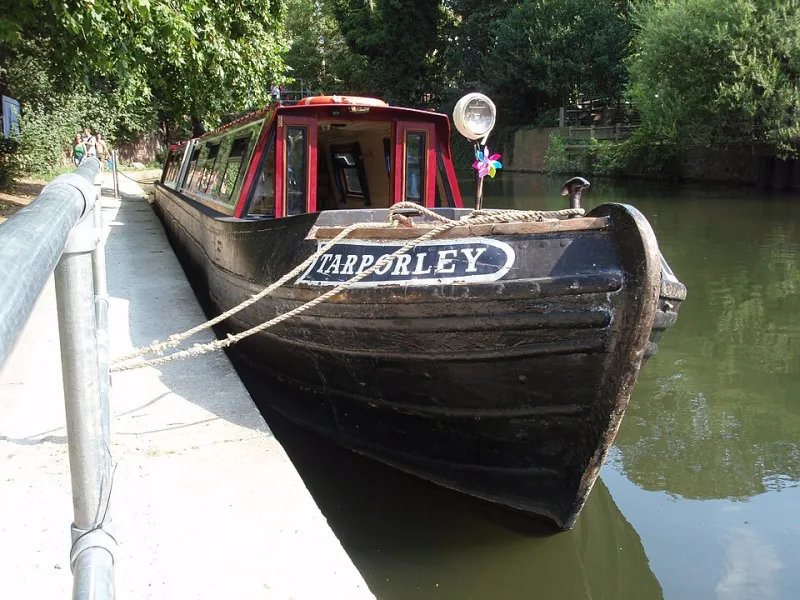
Photo: boat sprayhood canvas cover sailboat cockpit marina UK close up stitching, via marineins.com
There is a particular kind of sadness in a March boatyard: a sprayhood that has gone the colour of wet cardboard, its window opaque, its stitching hanging in loops, its owner muttering about a quote for a new one. Canvas is expensive, and the weather here is uniquely good at making it expensive sooner.
But canvas is also more repairable than most boaters assume. Knowing what actually kills it — and what to do about each thing — can buy you years. This is the practical version, without the myth-making.
What Actually Kills Canvas
Four things, mostly, and they work together.
UV. Sunlight degrades both the acrylic fibres and, more importantly, the thread. A cover that still looks structurally sound can be quietly falling apart along every seam because the stitching has gone brittle.
Rain and dirt. Water alone is fine on a properly proofed fabric. Water plus airborne grime plus a warm locker is a mildew farm. The black speckling you see on the underside of a dodger is not character.
Green growth. North-facing covers, damp winter berths and anything under trees will pick up algae and lichen. It holds moisture against the fabric and looks dreadful.
Abrasion and tension. Flapping in a blow wears canvas against stainless frames faster than any weather. A cover left slack will destroy itself.
Add cheap PVC windows to the list. They cloud, crack and yellow, and they are usually the reason a structurally perfect sprayhood gets replaced.
A Washing Routine That Doesn't Make Things Worse
Take the cover off if you reasonably can. Brush off loose dirt dry, then wash with lukewarm water and a purpose-made canvas cleaner or a mild pH-neutral soap. No washing powder, no bleach, no fairy liquid, and absolutely no pressure washer — it drives dirt deeper and frays the weave.
Work in sections with a soft brush, rinse thoroughly, and dry it fully before refitting. Mildew needs treating with a dedicated cleaner rather than being scrubbed at; scrubbing spreads spores and thins the fabric. Never machine wash, and never tumble dry.
Reproofing: The Beading Test
Proofing is not a yearly ritual, it's a response to evidence. Pour a cup of water on a clean, dry section. If it beads and rolls off, leave it alone. If it soaks in and darkens the fabric, it's time.
Fluoropolymer treatments such as those in the 303 and Fabsil families are the standard chandlery answer, and they work — applied to clean, dry canvas, in two light coats, on a warm day with time to cure before the dew comes down. Brush or spray evenly and avoid overspray onto windows, gelcoat and teak. Silicone-based products can interfere with later repairs, so tell your trimmer what you've used.
One caveat worth knowing: proofing restores water repellency, not breathability. A fabric that has lost its structure will still sweat underneath, and condensation will do the rest.
Stitching, Zips and Windows
Run your thumbnail along every seam each spring. If the thread crumbles or snaps, UV has won and the seam needs restitching with a UV-stable thread — Tenara and similar are the long-life options. A local trimmer will often restitch a sprayhood for a fraction of replacement cost, and it is usually a same-week job.
Zips fail from grit and salt, not usually from wear. Rinse them, let them dry, then lubricate with a silicone zip lubricant or a dedicated zip wax. Not Vaseline — it attracts dirt and gums the slider.
Windows are the weak link. Clean with plenty of water and a soft cloth, never a dry wipe, and polish scratches out with a plastic-window polish rather than an abrasive. If a window is crazed and opaque, a trimmer can usually replace just the panel — worth asking before you accept a full replacement quote.
When Repair Stops Making Sense
Do the arithmetic rather than going on gut feeling. A new sprayhood on a typical 30-footer might run £700 to £1,500 depending on the maker and the hardware; a sail cover £250 to £450. Restitching, a new window or a zip is normally tens of pounds, not hundreds.
Repair is usually sensible when the fabric is still sound, the failure is local, and the frame and fixings are in good order. Replace when the fabric tears at multiple seams, when it has thinned to the point of translucency, when the proofing will not take, or when repairs start approaching half the cost of new. At that stage you are paying twice.
Winter and Storage
Keep the frame tensioned, keep the cover dry, and roll rather than fold if you take it off — sharp creases become cracks. Never wrap a cover in a tarpaulin: condensation underneath will do more damage in one winter than a decade of sun. If the boat is laid up under trees, a breathable cover over the whole thing is a better friend to your canvas than leaving it bare.
Canvas is a wearing part, and treating it as one is the cheapest attitude you can adopt. Wash it, proof it when it needs it, catch the stitching early, and it will see out several British winters before it finally asks for a proper retirement.