The Gas Locker Is Not a Cupboard: A UK Boater’s Guide to LPG Checks That Actually Matter
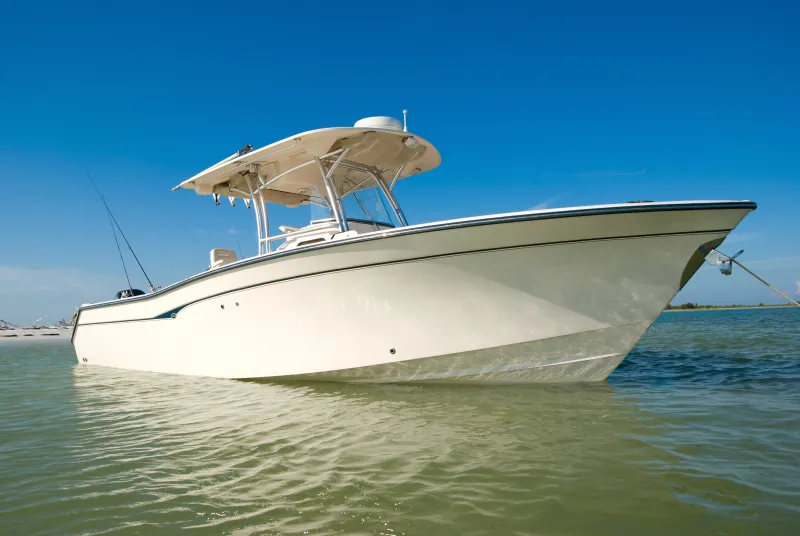
Photo: Unknown authorUnknown author, CC BY-SA 4.0, via Wikimedia Commons
Open a boat’s gas locker in November and you can learn a lot in ten seconds. There’s the cylinder, the regulator, maybe a bubble tester, and a length of hose that has been quietly ageing since the last owner swore it was “done recently”. The locker itself is often treated like a handy cupboard: spare fenders, a bit of rope, a half-used tub of grease. It should not be. On a UK boat, the gas locker is a purpose-built vented box, and everything in it is there to keep LPG away from the places you sleep, cook and sit.
None of this needs to be intimidating. A good LPG check is mostly observation, a dated hose, a clear drain and a bubble tester used properly. The trick is not treating the system as fit-and-forget.
Start with the drain, not the cylinder
LPG is heavier than air. If it escapes, it wants to pool low down. That is why the gas locker must be vapour-tight to the cabin and must drain overboard, above the waterline, through a proper hull fitting. A drain that is blocked with leaves, spider nests or old paint is a genuine safety issue, not a cosmetic one.
Check it with water. Pour a jug down the locker drain and confirm it exits at the hull fitting. If it trickles into the bilge, disappears behind a lining or simply backs up, stop and get it sorted before you use the cooker. Clear debris with a soft brush or a length of flexible wire, but don’t drill new holes in a whim. Locker drainage and ventilation are part of the Boat Safety Scheme examination for good reason, and modifying them badly can make things worse.
While you’re in there, check that the cylinder is secured against sliding and that the locker lid seals properly where it should. A cylinder that can shift at sea can stress the hose and regulator connection. That is exactly the sort of small movement that turns a cheap hose into an expensive problem.
Bubble testers: simple kit, read the instructions
A bubble tester is one of the most useful bits of gas kit on a small boat. It is fitted in the gas line, usually in the locker, and lets you check for leaks without dismantling anything. You press the button, gas passes through a small chamber of liquid, and you watch the sight glass.
With the appliance controls off and the cylinder valve open, a correct test should show no steady stream of bubbles. A few initial bubbles can be normal as the chamber fills, so follow the maker’s instructions rather than inventing your own ritual. If bubbles keep coming, you have a leak somewhere downstream and the gas should be turned off at the cylinder until it is found.
A bubble tester is not a substitute for a full examination, and it won’t test every joint in the system. Use it regularly — after changing a cylinder, before a trip, after any work near the gas line — and use leak detector spray on the cylinder connection and regulator joints as well. Never use a flame to look for a leak. That is not salty wisdom; that is a way to lose your eyebrows and your boat.
Hoses: the date code is the tell
Gas hose has a hard life in a UK locker: damp, UV, salt air, the occasional blast of winter frost and a lot of bending. The hose should be marked for LPG use, typically to a recognised standard such as BS EN 1762. Black rubber is not automatically wrong, but unmarked black hose from a autojumble box is not worth the risk. If you can’t see a marking, treat it as suspect.
Look for the manufacturing date on the hose. Many insurers and examiners expect replacement around the five-year mark, or sooner if it is cracked, stiff, kinked or chafed. Check where it passes through locker edges and bulkheads; a sharp edge will quietly saw through a hose over a few seasons. Use proper stainless hose clips, not rusty car ones, and keep the run as short and smooth as practical.
Regulators age too. Check the date on the regulator body and follow the maker’s replacement interval. A regulator that is past its best can pass gas at the wrong pressure, which makes appliances sooty and inefficient. If the cooker flame has gone yellow or lazy, don’t just clean the burner and hope. Get the regulator and supply pressure checked.
What the examiner notices
Boat Safety Scheme failures often come down to the same handful of things: a drain that doesn’t go overboard, a cylinder that isn’t secured, a hose that is out of date or unmarked, a regulator with no date, blocked ventilation, or an appliance without the required flame failure device. These are not obscure technicalities. They are the basics of keeping LPG where it belongs.
A BSS pass is a minimum standard, not a service. It does not mean the gas system has been stripped, tested and blessed for the season. If you have just bought the boat and have no paperwork for the gas system, budget for a competent marine gas engineer to give it a look. The same applies if you are fitting a new appliance, changing the regulator or you are simply not sure what you are looking at.
A small kit that earns its keep
You don’t need a rolling gas workshop. A leak detector spray, a gas alarm in the cabin, a torch that works, a soft drain brush, some stainless clips and a marker pen for writing hose and regulator dates are all cheap chandlery buys. If your boat doesn’t have a bubble tester, it is worth discussing one with a competent engineer. It turns a vague worry into a two-minute check.
And if you smell gas? Turn off the cylinder, don’t touch electrical switches, ventilate the boat and get everyone out. Then get it checked properly. Gas systems are not the place for a hopeful squint and a shrug. Five minutes with a torch and a bubble tester is far cheaper than the alternative.