Docking Without the Drama: Mooring Lines, Springs and Fenders for UK Tides, Wash and Locks
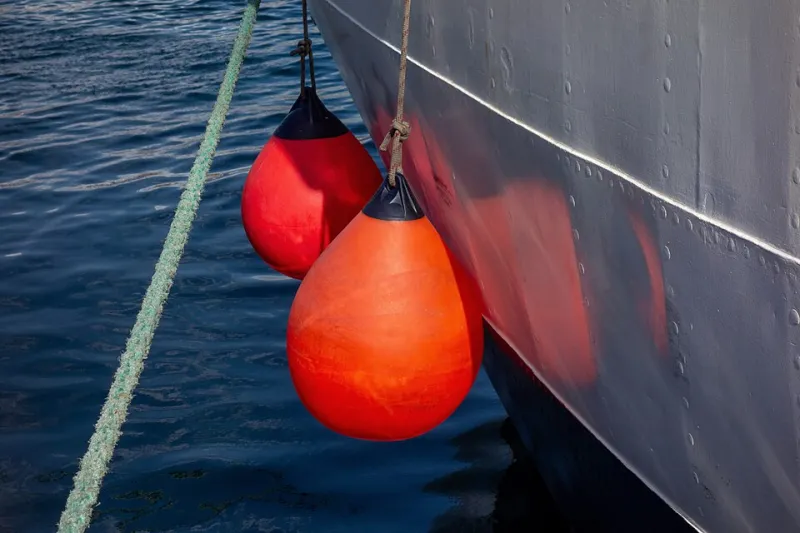
Photo: W.carter, CC BY-SA 4.0, via Wikimedia Commons
UK berthing has a personality problem. One afternoon you are easing onto a quiet canal lock mooring with a centre line and a cup of tea; the next you are alongside a tidal pontoon with a ferry wash rolling through and the tide dropping faster than you expected. The kit that makes both jobs boring — in the best way — is not complicated. It just needs to be the right size, rigged with a bit of thought, and checked before it embarrasses you.
Mooring lines: stretch where it helps, diameter where it counts
Lines do two jobs: hold the boat to the pontoon and absorb movement without snatching fittings. Nylon is popular for mooring because it stretches and takes shock loads well. Polyester is stronger and less stretchy, which can suit springs and static applications, but it is less forgiving when a wash hits. For most UK cruising boats, a nylon three-strand or braid is a sensible all-rounder.
Diameter is where people overthink and underbuy. Too thin and it cuts into your hands and chafes quickly; too thick and it is stiff, bulky and hard to tie off neatly. As a rough guide, a 6–8m boat is usually happy with 10–12mm mooring lines, an 8–10m boat with 12–14mm, and a 10–12m boat with 14–16mm. Check your cleats and fairleads — a line that is too fat for the cleat is a false economy.
Look for spliced eyes, whipped ends and a bit of give. Budget polyester lines can work for light inland use, but for coastal work and tidal pontoons, pay for proper nylon and decent UV resistance. A cheap line that chafes through in one season is not a bargain.
Springs: the lines that stop the boat wandering
Springs run fore and aft rather than straight across to the pontoon. A bow spring leads from the bow area back to a pontoon cleat; a stern spring leads from the stern area forward. Together they stop the boat sliding forward or backward along the berth. That matters on tidal rivers where the flow changes, on pontoons with ferry wash, and in locks where the water does its own thing.
Rig springs before you need them. On a rising tide, leave enough slack so the boat can rise without hanging; on a falling tide, check again before the boat settles. A spring that is bar-tight at high water can be slack and useless at low water — or worse, it can load a cleat at a horrible angle. Use a snubber or a length of elastic mooring compensator on exposed berths to take the snap out of wash.
Keep the lead as straight as practical. A spring that chafes across a toe rail or through a fairlead will fail at the worst moment. Use chafe guards where a line passes through a lead, and check the wear points every time you come aboard.
Fenders: size, height and the mistakes that make berthing harder
The classic fender mistake is buying small ones because they are cheap and easy to stow. Small fenders concentrate load and can pop out of position just when the boat rolls against the pontoon. For most UK boats in the 7–11m range, cylindrical fenders around 20–25cm diameter and 60–75cm long are a practical starting point. Bigger boats need bigger fenders; canal boats often benefit from flat fenders or a fender board for lock walls and rough piling.
Height matters as much as size. A fender tied at deck level may sit above the pontoon when the tide drops; one tied too low can drag in the water and trip you up. Set them so they sit between the hull and the dock across the range of tide you expect. Use a clove hitch or a proper fender knot that you can adjust quickly, and keep a couple of spare lines for re-rigging.
Fender boards are underrated on tidal pontoons with pilings. They spread the load and stop a single fender from getting trapped. If you regularly berth against rough walls or lock sides, a board and two good flat fenders will earn their space.
A sensible UK docking kit
For a typical UK cruiser or narrowboat, a workable kit looks like this: two main mooring lines, two springs, one or two spare lines, four to six fenders, a fender board if you use tidal pontoons or rough locks, chafe guards, and a couple of snubbers for exposed berths. Add a line hook or boat hook for picking up lines, and a sharp knife on deck for the worst-case moment.
Budget picks: decent nylon three-strand lines, basic cylindrical fenders, and a simple fender board. Premium picks: braid-on-braid nylon with spliced eyes, UV-stabilised fenders with good valves, and proper elastic snubbers. Spend first on lines and fenders that fit your boat; fancy colours and branded bags can wait.
On-the-dock habits that save money
Check lines after the tide turns, not just when you arrive. Look for chafe where lines pass through fairleads, cleats and toe rails. Rinse salt and grit off lines and fenders occasionally; grit works its way into fibres. Store lines coiled and dry, and replace anything with a deep nick, glazing or a stiff, crunchy feel. A line that has gone hard and shiny is telling you something.
The aim is not a perfect textbook docking. It is a kit that lets you step ashore without drama, whether you are on a tidal river in Devon, a windy pontoon in the Solent or a canal lock in the Midlands. Get the sizes right, rig the springs, set the fenders at the right height, and the boat will do most of the work for you.