Five Chandlery Staples You Should Stop Buying at Full Price — and What UK Boaters Should Do Instead

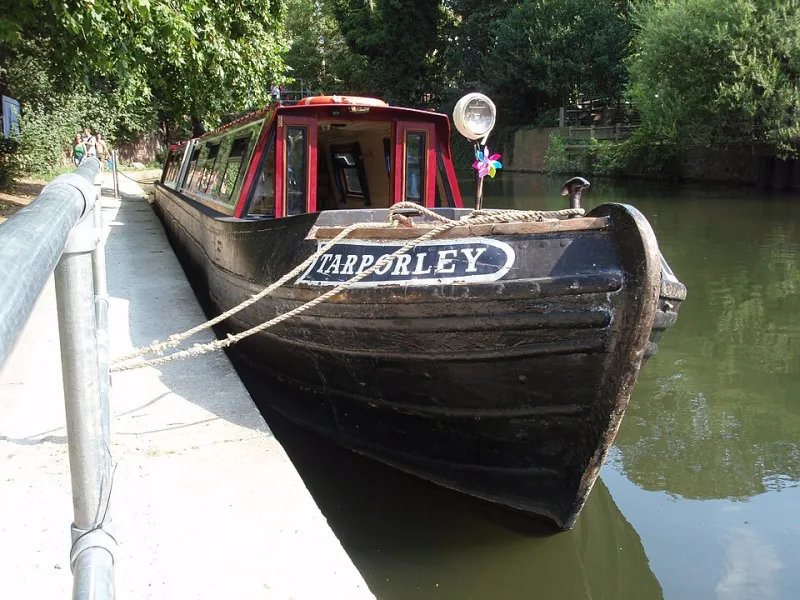
Photo: Hugh Venables, CC BY-SA 2.0, via Wikimedia Commons
Let's be clear: chandleries are brilliant. A good counter gives you advice, a replacement impeller on a Sunday, and the right shackle first time. But there's a difference between paying for marine expertise and paying a boat tax on stuff that isn't really marine at all. As we head into the 2026 winter projects season, here are five chandlery staples where I'd think twice before handing over full price — plus the practical alternatives UK boaters can use instead.
The Rule: Commodity vs Marine-Specific
Before you buy, ask a simple question: is this a marine-specific part doing a marine-specific job, or is it a commodity with a boat-shaped markup? Safety-critical gear such as liferafts, PLBs, harnesses, fire extinguishers and certified rigging hardware deserves proper marine advice and traceability. But plenty of everyday kit is just rope, cloth, plastic or cleaning fluid. That's where the savings live.
1. Fenders: You're Paying for a Logo and a Bit of String
New fenders can cost £30 to £60 each, and a full set for a 30ft boat can easily run past £200. They're lumps of plastic with a rope tail. Secondhand fenders are everywhere: boat jumbles, marina noticeboards, Facebook Marketplace, eBay and club classifieds. Check for UV damage, splits, hardened plastic and a decent valve. A used fender with a scuffed cover is often fine.
Fender covers can be made from old fleece or bought cheaply from a canvas supplier. If you want new, compare price per centimetre of diameter and buy a multipack rather than singles. Common mistake: buying massive fenders for a small boat so they hang like space hoppers. Match the size to the boat and the berth, not the brochure photo.
2. Mooring Lines: The Marine Tax on Twisted Nylon
Chandlery mooring warps are often just nylon rope with a spliced eye and a shiny label. Buy from a rope wholesaler or industrial supplier and ask for end-of-reel prices. For UK mooring, 3-strand nylon or octoplait in 14–16mm is a sensible starting point for a 30–35ft boat, but check your cleats and the berth's demands. Avoid climbing rope for permanent mooring: it's designed for dynamic falls, not UV and chafe.
Ask whether splicing and whipping are included. A local rope supplier may do both for less than a chandlery charges for the rope alone. Common mistake: going too thin because it looks neat. A mooring line needs to stretch and absorb load, and thin rope will chew through fairleads.
3. Cleaning Products: Boat Shampoo Is Fairy Liquid With a Skipper's Hat
Marine shampoo is often a pH-neutral car shampoo in a fancier bottle. Use a pH-neutral car shampoo from a car care supplier, a soft wash brush, and two buckets — one soapy, one rinse. For rust stains, oxalic acid from a hardware shop mixed to the maker's instructions will shift much of what marine stain remover does. Don't use acidic cleaners on anodised aluminium or cheap galvanised fittings.
White vinegar diluted in water is fine for mildew on hard surfaces. Common mistake: reaching for abrasive cream cleaner on gelcoat. It dulls the shine and makes future cleaning harder.
4. Brushes, Buckets and Detailing Kit
Chandlery brushes are fine, but car detailing suppliers sell softer, better brushes for less. A telescopic wash brush, a wheel brush for awkward spots, microfibre cloths and a grit-guard bucket will cover most deck and topside cleaning. Don't use a stiff yard broom on gelcoat unless you enjoy polishing out scratches.
Buy buckets from a builders' merchant if you don't need a grit guard, and keep one bucket for the anchor locker and one for the galley. Common mistake: using the same grubby sponge for topsides and windows. Buy a pack of microfibres and rotate them.
5. Stainless Fasteners and Shackles
Small bags of stainless screws and shackles in a chandlery can be painfully expensive. Source from a marine fastener specialist or a reputable industrial supplier. Specify A4/316 stainless for saltwater, not A2/304. Not all stainless is equal, and a cheap 304 shackle on a mooring will not thank you.
For standing rigging, lifting gear and anything that keeps a person safe, buy certified kit and get professional advice. For locker hinges, trim screws and non-critical fittings, a bulk pack of 316 fasteners is a sensible saving. Common mistake: mixing stainless and galvanised fasteners in the same hole and wondering why corrosion appears.
The Smart Chandlery Shopping Checklist
- Write a list before you go, and photograph the old part.
- Compare price per metre, per litre or per piece, not per packet.
- Ask what's included: splicing, whipping, fittings, VAT.
- Check the grade: 316/A4 for saltwater where it matters.
- Use boat jumbles, club classifieds and marketplace for non-critical gear.
- Don't false-economy safety gear: liferafts, harnesses, fire kit and rigging.
- Keep receipts and label anything you might return.
- Build a relationship with a good local chandlery — then ask for a deal on a basket.
Where to Draw the Line
This isn't about being tight. It's about being deliberate. Buy new and buy properly when the item is safety-critical, marine-specific or needs a warranty. Save your money on the commodity stuff, and spend it where it counts: a decent charger, a proper seacock, or a professional rig check. That's the sort of thrift that keeps you afloat rather than just looking the part.