Boat Jumble Buys That Won't Bite Back: A Secondhand Chandlery Field Guide
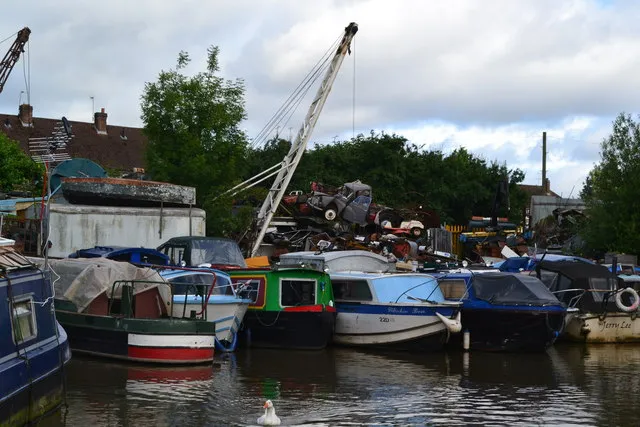
Photo: David Martin , CC BY-SA 2.0, via Wikimedia Commons
Boat jumbles are glorious chaos. One table has a coffee tin of stainless screws, another a stack of paper charts for places you will never sail, and somewhere behind a tarpaulin is the winch you have been half-looking for since spring. Add club dinghy-park sales, church-hall tabletop events and the usual online marketplace listings with one blurry photo and a hopeful price, and you have a rich secondhand chandlery market. The appeal is obvious: someone else's abandoned project might be your bargain. The risk is just as obvious: you bring home a seized block, a lifejacket with an old cylinder and a chartplotter that speaks a dead format. The trick is not to become cynical. It is to be methodical, then haggle like a boater who knows what a service kit costs.
Start with the seller, not the shiny thing
A good secondhand buy usually comes with a story. A bad one comes with a shrug. Ask where the kit came from, how long it has been ashore, whether it was working when removed and why it was removed. 'It was fine when it came off' is not the same as 'it works now'. If the seller cannot tell you whether a winch turns freely or a pump has been stored dry, price it as a project, not a plug-and-play bargain.
Take cash, a torch, a multitool and a rag. A magnet is useful for checking stainless fittings that may have a ferrous core. A small multimeter is worth having if you are serious about electronics. Most importantly, take your time. A jumble rewards the person who walks the field once without buying, then goes back to the tables that still look interesting.
Winches and deck hardware: corrosion tells tales
Winches are one of the best secondhand buys if you know what you are looking at. Spin the drum by hand. It should turn smoothly, without grinding, wobble or a gritty feel. Strip-down service kits are widely available for the major brands, but obsolete models can be a trap. Check the chrome or anodising for peeling, the base for white corrosion and the pawls for springiness. A stiff winch is not necessarily dead, but a winch with cracked castings or missing parts is a paperweight.
Deck fittings are simpler. Look for hairline cracks around bolt holes, bent bases and galvanic corrosion where stainless meets aluminium. A genoa car that runs freely on its track is useful; one that has flat spots or missing bearings is a donation to the club raffle. Cleats and fairleads are cheap enough new that you should only buy secondhand examples in genuinely good condition.
Blocks and travellers: spin, rock and listen
A block is a small machine, and small machines wear out. Spin the sheave. It should turn without a rumble. Rock it side to side to check for play in the axle or bushing. Look for cracks in the cheeks, UV damage on plastic sheaves and elongated holes where shackles have worn their way through. Stainless shackles can be replaced; cracked side plates cannot.
Travellers and cars deserve the same treatment. Check the bearings, the control line and the end stops. If a part is discontinued and the bearings are shot, walk away. If it is a common size from a mainstream brand, a rebuild may be worthwhile. Bundles are where the real savings live: a box of mixed blocks with three good ones and five tired ones can still be good value if the price reflects it.
Lifejackets and soft kit: the one place to be ruthless
This is where the salty bargain hunter needs to put the wallet down. A secondhand inflatable lifejacket can be a false economy unless you have a clear service history, an in-date cylinder, the correct firing head and a bladder that holds air. Even then, it needs a professional check. UV-degraded webbing, furry stitching and faded reflective tape are all quiet noes. If you are buying for family or occasional crew, buy new or buy from a reputable service centre with paperwork.
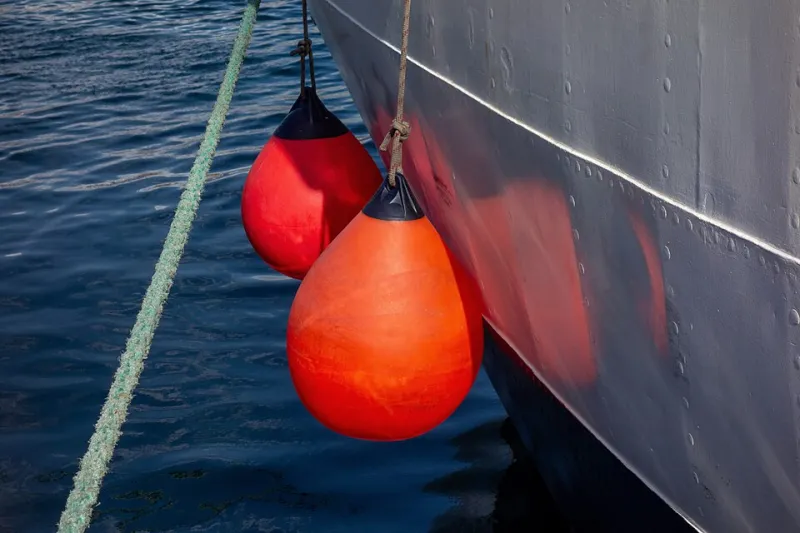
Soft kit such as mooring lines, fenders and sail ties is lower risk, but still inspect. Run ropes through your hands and look for chafe, glazing, stiff spots and hidden core damage. A faded fender may be fine; one with a split seam or a rusted valved is not. Check any harness, tether or safety line carefully, and if the history is unknown, do not trust it with your life.
Pumps: cheap can be false economy
Manual bilge pumps are often worth a punt because service kits are simple and cheap. Check the diaphragm, valves and handle mechanism. A pump that feels smooth and has a good seal is promising. An electric pump is more of a gamble. Look for corroded terminals, a cracked housing and a seized impeller. If the motor smells burnt or the wiring has been cut, assume it needs more than a wipe.
Whatever you buy, price in the service kit before you decide. A tenner saved on a pump that needs a twenty-pound kit and an hour of your Sunday is not a bargain. It is a chore with a receipt.
Marine electronics: proof or pass
Electronics are the most tempting and most disappointing secondhand category. A chartplotter looks expensive, so a low price feels like a win. But old units can have obsolete chart cards, unreadable screens, dead backlights and software that no longer talks to anything else. Ask to see it powered up. Check every button, every port and every screen. If it needs a proprietary cable or an ancient card, factor that in — or walk away.
VHF radios with DSC need careful handling. Check that the unit powers up, the display is legible and the microphone works. Ask whether it has been reset or whether the MMSI can be changed. AIS transceivers and GPS units should be tested with an aerial if possible. Do not buy a bargain radio that cannot be reprogrammed or repaired. A handheld VHF with a dead battery can still be useful if a replacement battery is available and cheap; otherwise it is landfill with a speaker grille.
The always-new shortlist
Some kit should not be bought secondhand unless you really know the item and its history. Flares, fire extinguishers, EPIRBs and liferafts are top of the list. Anything with an expiry date, a pyrotechnic charge or a pressure vessel deserves new-kit caution. Lifejackets fall into the same conversation unless they come with a proper service record. Fuel lines, hoses and anything carrying petrol or gas should be new and correctly rated. Standing rigging is a specialist purchase; do not buy a bundle of unknown cables because it looks cheap.
Secondhand winches, blocks, anchors, chain, fenders, mooring lines, tools and simple deck fittings are usually fair game. Just inspect them as if your weekend depends on them, because it might.
Haggling like a boater, not a brawler
Haggling at a boat jumble is not a duel. It is a chat with a price attached. Know the new price and the cost of any service kit before you make an offer. Be polite, be specific and bundle. 'I will take the winch and the two blocks for this much' often works better than chipping away at one item. Point out the corrosion, the missing part or the obsolete fitting without being rude. If the seller will not move, leave your number and walk on. There is always another table.
Online, ask for more photos before travelling. Ask for the model number, the age and whether it has been tested. Do not send a deposit for something you have not seen unless the seller has a solid reputation. Meet in daylight, check the kit before money changes hands and remember that a bargain you cannot use is just clutter with a story.
A pocket checklist
Before you buy, ask: does it turn, spin, pump, inflate or power up? Are the parts available? Is the service cost sensible? Is the safety history clear? Would I pay this much if it needed a repair? If the answer to the last question is no, put it down. The best boat jumble purchases are not the cheapest things you find. They are the ones that earn their place aboard and keep working long after the thrill of the haggle has worn off.