Out of Date, Out of Excuses: A Boat Locker Plan for Old Flares

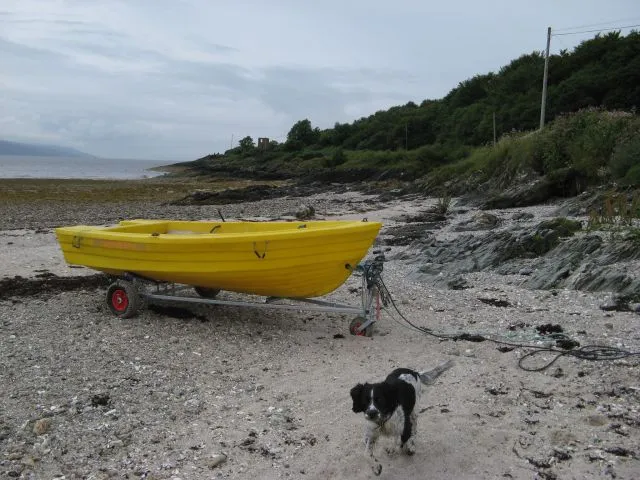
Photo: Christopher Michel, CC BY 2.0, via Wikimedia Commons
Most boat lockers have a guilty corner. Mine was behind the spare mooring lines, under a half-used tube of sealant, where a plastic box held three red hand flares, one parachute rocket and a smoke canister with a date that had faded into guesswork. That is not a safety kit. That is a deferred decision.
Pyrotechnics are not fireworks. They are compact, legal, useful pieces of safety equipment with a shelf life, a storage requirement and a disposal problem. Treat them like that and the whole business becomes manageable. Treat them like lucky charms and you end up with a locker full of damp explosives and a vague feeling of guilt.
Empty the locker before you argue with it
Start by taking everything out. Not just the flares you remember. The ones in the grab bag, the ones under the chart table, the ones in the cockpit locker that have been quietly sweating since the last hot spell. Lay them out on a dry pontoon or a garage bench and make an inventory.
For each item, note the type, quantity, expiry date and general condition. Red hand flares, parachute rockets, orange smoke, buoyant smoke, whatever you have. If the date is illegible, treat it as expired. If the cardboard is soft, the plastic is cracked or the label has dissolved, treat it as expired. Do not open the packaging to investigate. You are not a bomb disposal officer and the flare does not owe you a forensic examination.
Take a photo of the inventory and stick a note in your phone calendar. The point is not bureaucracy. The point is that next spring you will not be crouched in a locker with a torch, squinting at a date stamp and wondering whether that smudge is a 6 or an 8.
Read the date, then read it again
Recreational flares in the UK normally carry a three-year life from manufacture, though the exact date is what matters. Check the body of the flare as well as the label. Some have dates stamped into the plastic. Some have a batch code and a separate expiry label. If you cannot prove it is in date, it is out of date for practical purposes.
Do not be tempted to keep an old flare as a spare because it still looks fine. Pyrotechnics degrade. Damp, heat cycles and age do not improve them. A flare that fails when you need it is worse than no flare at all, because you will have built a plan around a dud.
Storage that does not turn a flare into a firework
There is no special licence for keeping a few recreational flares on a private boat, but they are still explosives. Store them dry, cool and secure. Keep them away from fuel, gas lockers, engine bays and anything that gets hot. Keep them out of reach of children and out of the damp locker where the fenders live.
A dedicated waterproof box is fine. So is a sealed grab bag, provided it is actually sealed and actually stored somewhere sensible. Do not bury flares under heavy gear. Do not store them loose where they can roll around and chafe. Do not take them on a plane, and do not assume a ferry operator wants them in the car. If you are crossing to France or the Netherlands, check the rules before you pack.
At the start of each season, check the dates again. If a flare expires this summer, decide now whether you are replacing it, disposing of it or changing your carriage plan. The worst time to make that decision is the morning of a passage.
Disposal routes that actually exist
This is where people get stuck. You cannot put flares in the domestic bin. You should not burn them, bury them or drop them over the side. They are hazardous waste and they need a proper route.
In the UK, the practical options are usually HM Coastguard, RNLI lifeboat stations running designated flare disposal days, some chandlers running trade-in or amnesty schemes, and local authority hazardous waste facilities that accept marine pyrotechnics. Routes vary by area and by year, so ring ahead. Do not turn up at a lifeboat station with a carrier bag of flares and a hopeful expression unless you have checked that they are accepting them.
HM Coastguard coordination centres can advise on local arrangements. When you transport flares for disposal, keep them in their original packaging if possible, or pack them safely, keep them away from the passenger compartment and tell the receiving station what you are bringing. A little advance warning makes everyone calmer.
Replacement without panic-buying
Once the old kit is out, replace for the boating you actually do. A canal boat on a non-tidal waterway does not need the same pyrotechnic pack as a yacht crossing the Channel. A coastal dayboat needs a plan that matches its area of operation, its crew and its insurance requirements.
Buy only what you will carry and maintain. A smaller pack that is in date and stored properly beats a huge offshore pack that expires in a locker. If you are replacing several items, stagger the purchases where you can so they do not all expire in the same month. Write the expiry dates on the box in marker pen. It is low-tech and it works.
What non-pyrotechnic kit can and cannot do
LED flares, laser flares and electronic visual distress signals have become genuinely useful. They are safer to store, easier to test and much easier to dispose of. For inland boating, where firing a parachute rocket over a towpath is not anyone's idea of a good afternoon, they can make a lot of sense as a supplement.
But do not assume they replace pyrotechnics in every situation. Carriage requirements, insurance conditions and the expectations of rescue services vary. Check the current MCA and RYA guidance, check your policy and check the rules for the water you sail. Non-pyrotechnic kit is a sensible addition, not a magic wand.
A simple annual habit
Once a year, before the season starts, empty the flare box. Check dates. Check condition. Check storage. Book disposal if needed. Replace what is expired. Then put the box back somewhere dry and tell the crew where it is and how to use it.
That is the whole plan. It is not glamorous. It will not make a good story in the pub. But it means the next time you open that locker, you will find safety equipment rather than a small, dusty liability.